
- Home
- Influencer news
- The Spiritual Meaning Of Rangoli: How Rangavalli Invites Positive Energy And Prosperity
The Spiritual Meaning Of Rangoli: How Rangavalli Invites Positive Energy And Prosperity
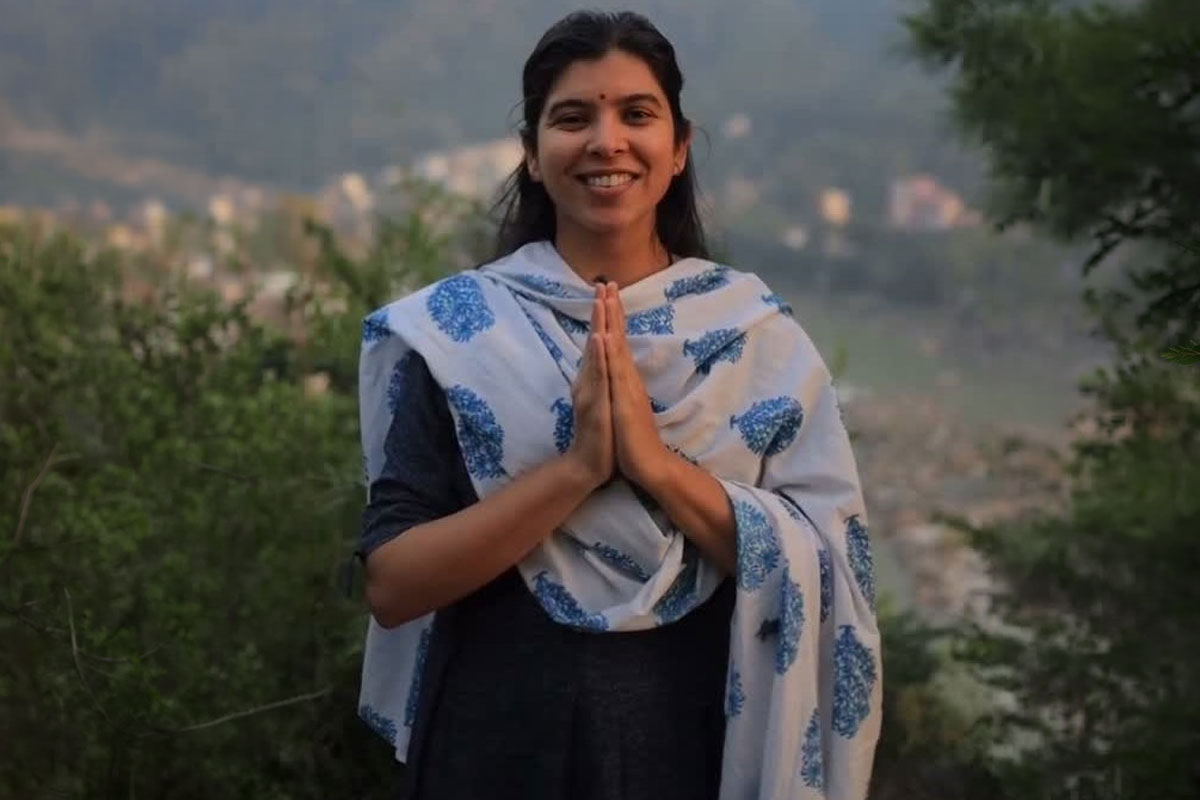
Parveen Sharma explains why Rangavalli is a living yantra, not just festive artwork


The Spiritual Meaning Of Rangoli: How Rangavalli Invites Positive Energy And Prosperity
Photo Credit: Instagram
- Rangavalli attracts positive energy
- Parveen Sharma decodes rangoli symbols
- Natural colours celebrate Shakti and nature
As Diwali approaches, homes across India come alive with vibrant rangolis. But what if these beautiful patterns are more than festive decorations? What if every line, shape, and color carries a deeper spiritual meaning?
According to astro influencer Parveen Sharma, Rangavalli, the traditional art of rangoli, is not merely an aesthetic expression. It is a sacred practice that invites positive energy, harmony, and divine blessings into our living spaces. Rooted in ancient Indian wisdom, it serves as a bridge between the visible and the invisible worlds.
The Spiritual Science Behind Rangavalli:
Rangavalli has long been considered a form of spiritual geometry. Every pattern drawn at the entrance of a home is believed to carry a unique vibration and energetic significance.
The circle, often seen in rangoli designs, symbolizes completeness, unity, and the cyclical nature of life. Triangles are associated with energy, protection, and transformation, while the lotus represents purity, enlightenment, and spiritual awakening.
Parveen Sharma explains that these symbols act like sacred channels that help align the home's energy with the cosmic rhythm of the universe. In many ways, a rangoli functions like a living Yantra, attracting harmony and positivity while creating a welcoming space for divine energies.
A Tradition That Honors All Life:
One of the most beautiful aspects of traditional rangoli lies in the materials used to create it. Historically, designs were crafted with rice flour, turmeric, sindoor, and flower petals.
These natural ingredients reflect the ancient Indian philosophy of Vasudhaiva Kutumbakam, which teaches that the entire world is one family. Rice flour, for instance, also serves as food for birds, ants, and other tiny creatures, transforming an artistic ritual into an act of compassion. In this way, rangoli becomes a celebration of coexistence and gratitude toward all living beings.
Choosing Nature's Colors This Diwali:
With growing awareness about sustainability, many people are returning to nature-inspired rangoli colours. Turmeric can create vibrant yellow shades, beetroot offers rich reds, spinach brings natural greens, and marigold petals add a warm golden glow. Using these earth-friendly materials is also a symbolic way of honoring Shakti, the divine feminine energy believed to nurture and sustain all creation.
A Prayer Drawn By Hand:
This Diwali, consider viewing your rangoli as more than a decorative tradition. Every curve, petal, and pattern can become a silent prayer of gratitude.
As Parveen Sharma highlights, when created with devotion and intention, Rangavalli transforms into a sacred offering, connecting us to nature, spirituality, and the timeless wisdom of our cultural heritage. In every color and design lies an opportunity to invite peace, abundance, and positive energy into our homes and hearts.
For the latest Influencer News and Interviews, follow WhosThat360 on X, Facebook, Instagram and Threads. For the latest interview videos, subscribe to our YouTube channel.
Further reading: Parveen Sharma, Diwali Rangoli, Rangavalli, Diwali 2026, Spirituality
Comments
 Post Comment
Related Stories
Related Influencer Stories
-
News

-
Nov, 05 2026 Niharika Tiwari Opens Up About Split With Sorab Bedi: "2-3 Din Ke Liye Gayab Ho Jaata Tha..."News
-
Nov, 05 2026 'Bigg Boss 20': Yung DSA Admits Cheating on Girlfriend Samiksha 10 Times, Fears He Has Lost HerNews
-
Nov, 04 2026 Who Is Scout OP? A Look At 'Bigg Boss 20' Star Tanmay Singh's Net Worth, Cars And IncomeNews
-
Nov, 04 2026 From Regal Sherwanis To Classic Kurtas: Siddharth Gupta's Best Ethnic Looks On His BirthdayNews
-
Nov, 04 2026 Archana Gautam Calls Priyanka Chahar Choudhary 'Real Naagin', Says She'll End Up FriendlessNews
-
Nov, 03 2026 Jiyaa Shankar Breaks Silence On Relationship Rumours; Shares Loved-Up Photos With Kaaran DhanakNews
-
News