
Cooking Tomatoes Without Oil To Reusing Frying Oil: 5 Habits That Can Harm Nutrition
kitchen habits that could be making your healthy food less nutritious


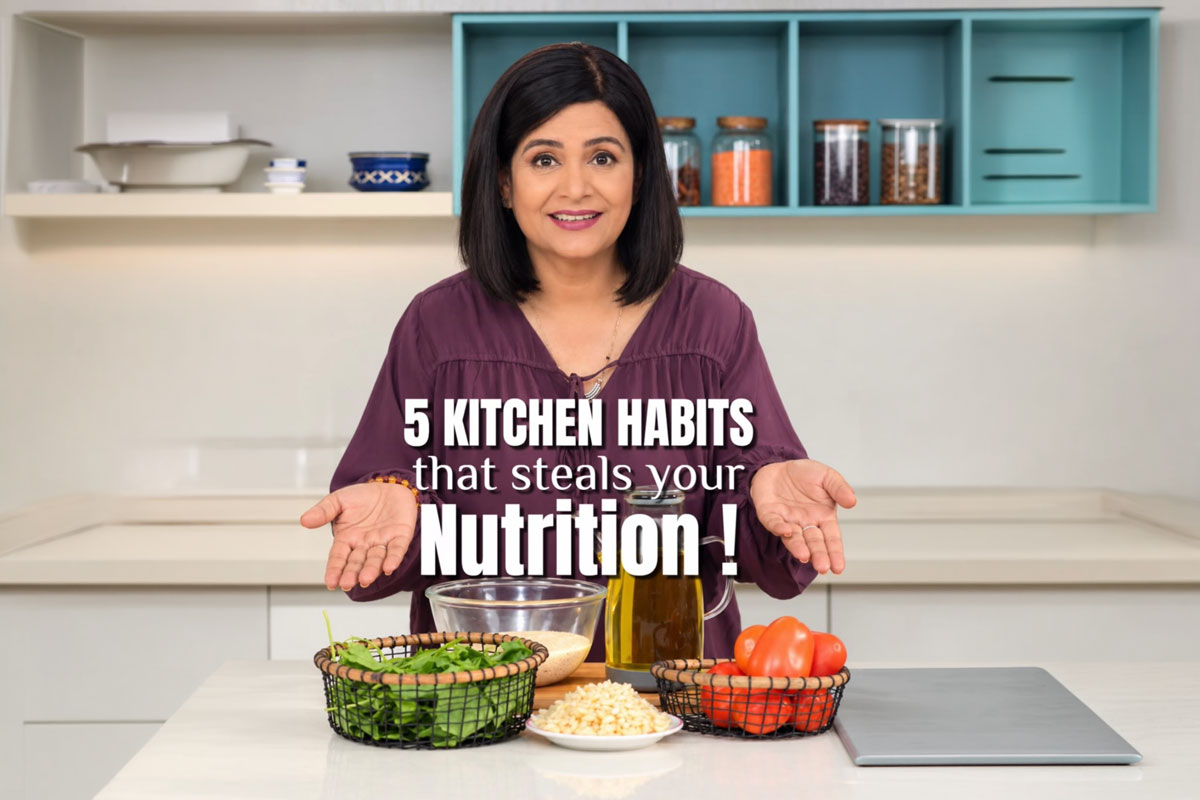
Cooking Tomatoes Without Oil To Reusing Frying Oil: 5 Habits That Can Harm Nutrition
Photo Credit: Instagram
- Repeatedly washing rice may strip away B vitamins
- Overcooking spinach and garlic can reduce key nutrients
- Reusing frying oil may create harmful compounds
When it comes to healthy eating, most people focus on choosing nutritious ingredients. However, what if some of your everyday cooking habits are quietly reducing the nutritional value of those foods? From washing rice excessively to reusing cooking oil, small kitchen mistakes can affect how many nutrients your body actually absorbs.
Food influencer and celebrity chef Pankaj Bhadouria recently highlighted five common habits that may seem healthy but could be taking away important nutrients from your meals.
Washing Rice Too Many Times:
Many people rinse rice repeatedly before cooking, believing it makes the grain cleaner. While a quick rinse is fine, excessive washing can strip away water-soluble B vitamins, particularly in polished or enriched rice. Over time, this practice may reduce some of the nutritional benefits that rice naturally offers.
Skipping Oil While Cooking Tomatoes:
Tomatoes are rich in lycopene, a powerful antioxidant responsible for their bright red colour. Lycopene is fat-soluble, meaning the body absorbs it more effectively when consumed with a source of fat. According to Pankaj Bhadouria, cooking tomatoes with a small amount of oil can significantly improve lycopene absorption, allowing you to get more benefits from the ingredient.
Overcooking Spinach:
Spinach is packed with folate and other essential nutrients. However, boiling it for a long time may cause these nutrients to break down or leach into the cooking water. To preserve its nutritional value, experts often recommend lightly steaming or sautéing spinach instead of prolonged boiling.
Frying Garlic Immediately After Chopping:
Garlic contains compounds that contribute to its health benefits. When garlic is chopped, an enzyme called alliinase helps produce allicin, one of its key beneficial compounds. If garlic is exposed to heat immediately after chopping, the enzyme may become inactive before enough allicin is formed. Letting chopped garlic rest for five to ten minutes before cooking can help maximise its nutritional potential.
Reusing Frying Oil Repeatedly:
Reusing oil multiple times is a common kitchen practice, but it can lead to the formation of oxidised compounds and other harmful substances. Repeated heating gradually degrades the oil, making it less healthy and potentially affecting the quality of food prepared in it.
Smart nutrition is not just about what you eat, but also how you prepare it. As Pankaj Bhadouria points out, a few simple changes in the kitchen can help you retain more nutrients and get the most out of your daily meals.
For the latest Influencer News and Interviews, follow WhosThat360 on X, Facebook, Instagram and Threads. For the latest interview videos, subscribe to our YouTube channel.
Further reading: Pankaj Bhadouria, Healthy Eating, Nutrition Tips, Food And Health, Diet And Wellness
Comments
 Post Comment
Related Stories
Related Influencer Stories
Related Influencer
-
Aug, 20 2026 Amir HosseinFood

-
Jul, 09 2026 Dr. Kaviraj KhialaniFood
-
Jul, 09 2026 Guntas Kaur SethiFood
-
Jul, 09 2026 Chahat AnandFood
-
Jul, 09 2026 Nayanjyoti SaikiaFood
-
Jul, 09 2026 Shipra KhannaFood
-
Jul, 09 2026 Abinas NayakFood
-
Jul, 09 2026 Saransh GoliaFood