
- Home
- Influencer news
- Diwali 2026 Calendar: Important Dates, Lakshmi Puja Timings, Rituals And Significance
Diwali 2026 Calendar: Important Dates, Lakshmi Puja Timings, Rituals And Significance
Diwali 2026: Sacred rituals, mythological stories and the significance behind the five-day festival


Diwali 2026 Calendar: Important Dates, Lakshmi Puja Timings, Rituals And Significance
Photo Credit: Instagram
- Dhanteras marks prayers for health, wealth, and prosperity
- Deepavali celebrates light, positivity, and divine blessings
- Bhai Dooj honours the sacred bond between brothers and sisters
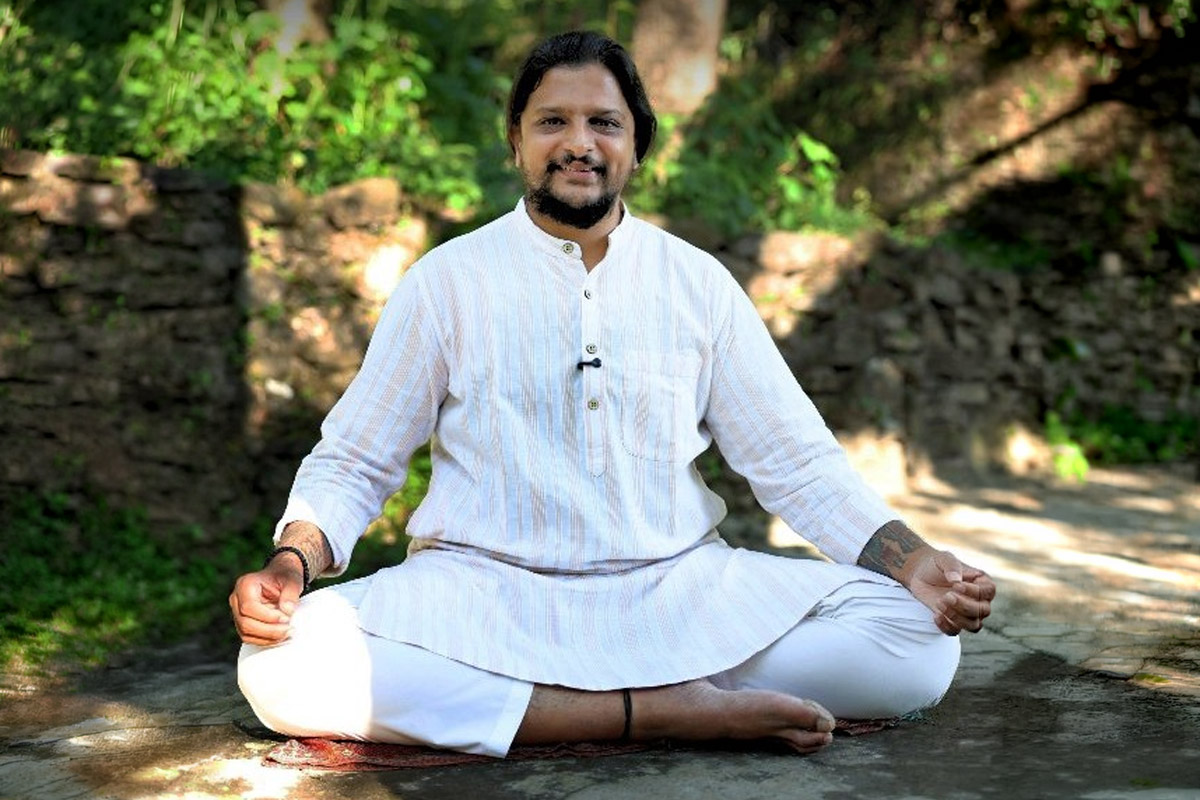
Diwali is often associated with lights, sweets, and celebrations, but the festival carries a much deeper spiritual meaning. Spanning several days, it reflects themes of prosperity, protection, gratitude, devotion, and the triumph of light over darkness. Astro influencer Bhavesh Bhimanathani often highlights how each day of the Diwali festival serves a unique spiritual purpose, helping devotees connect with divine energies and age-old traditions.
Dhanteras And Yama Deepam:
The festivities begin on November 6 with Dhanteras and Yama Deepam. Dhanteras is dedicated to Bhagwan Dhanvantari, the divine physician associated with health and healing. Devotees also worship Maa Lakshmi and Kubera to seek prosperity and abundance.
Yama Deepam is observed by lighting a lamp in honor of Yamraj, the deity of death, with prayers for protection, longevity, and freedom from untimely death.
Kali Chaudas And Hanuman Puja:
Observed on November 7, Kali Chaudas is associated with overcoming negativity, fear, and inner darkness. The day holds special significance in many spiritual traditions where devotees worship Maa Kali and Bhagwan Hanuman.
The rituals are believed to invoke courage, strength, and protection while encouraging spiritual cleansing and self-reflection.
Naraka Chaturdashi And Deepavali:
The main Diwali celebrations fall on November 8 with Naraka Chaturdashi and Deepavali. Naraka Chaturdashi commemorates Shri Krishna's victory over Narakasura, symbolizing the destruction of ignorance, ego, and negativity.
Devotees traditionally begin the day with Abhyanga Snana, an auspicious oil bath believed to purify the body and mind. Later, families decorate their homes with diyas and perform Lakshmi-Ganesha Puja during Pradosha Kala. In Shakta traditions, the night is also celebrated as Kali Puja.
Govardhan Puja And Annakut:
On November 10, devotees celebrate Govardhan Puja and Annakut, honoring Shri Krishna lifting Govardhan Parvat to protect villagers from natural calamities. The festival reminds devotees of divine protection, gratitude, and surrender. Annakut offerings are prepared as an expression of thankfulness for nature's blessings.
Bhai Dooj:
The celebrations conclude on November 11 with Bhai Dooj, also known as Yama Dwitiya. The festival commemorates the bond between siblings and is linked to the story of Yama visiting his sister Yamuna. It symbolizes love, protection, and family unity.
Beyond the lights and festivities, Diwali serves as a reminder to welcome prosperity with gratitude, overcome darkness with awareness, and strengthen our connection with the divine. Shubh Deepavali!
For the latest Influencer News and Interviews, follow WhosThat360 on X, Facebook, Instagram and Threads. For the latest interview videos, subscribe to our YouTube channel.
Further reading: Diwali 2026, Deepavali, Dhanteras 2026, Lakshmi Puja, Bhai Dooj
Comments
 Post Comment
