
- Home
- Motivation and self help
- Exclusive: WhereAreYouPraveen on Street Conversations, Virality, and Ethical Content
Exclusive: WhereAreYouPraveen on Street Conversations, Virality, and Ethical Content
The creator behind Kya Baat Kar Rhe Ho on long-form storytelling, ethical content, authenticity, and why the algorithm is just a distribution tool.




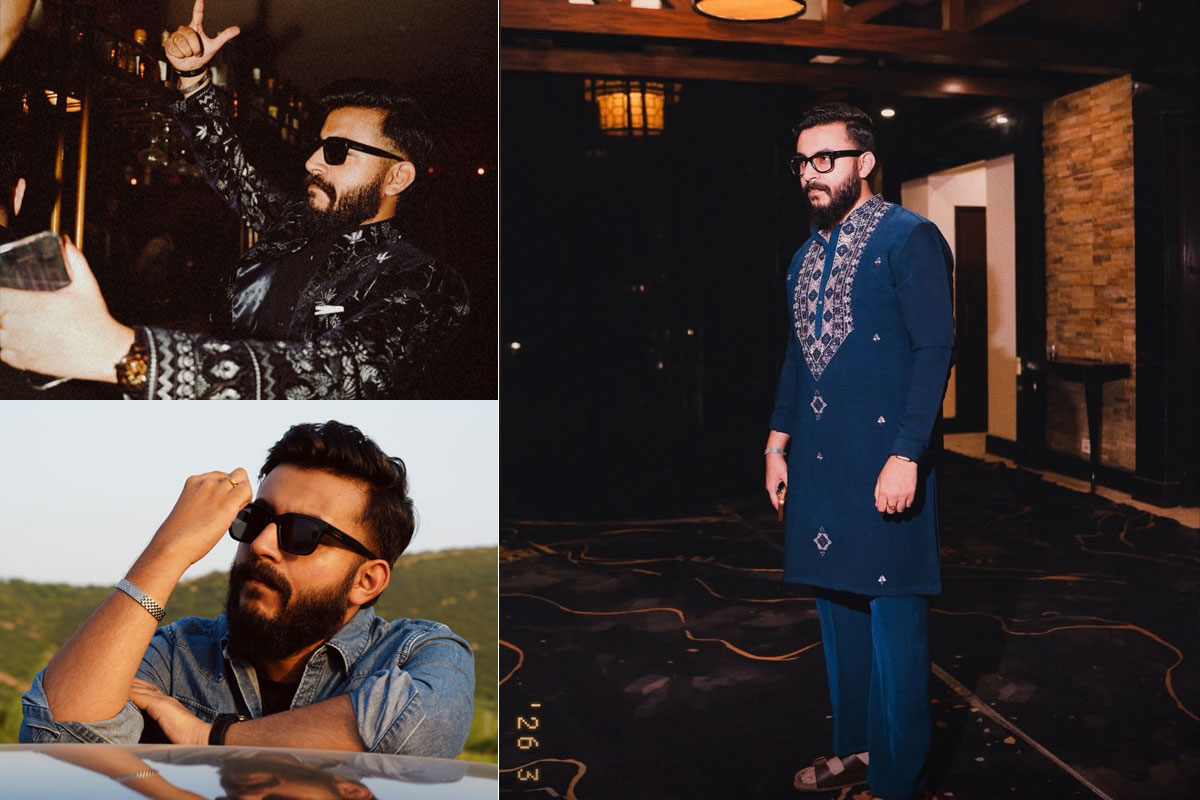
Headline: Exclusive: WhereAreYouPraveen on Street Conversations, Virality, and Ethical Content
Photo Credit: Instagram
- Praveen is popular for his unscripted conversations with everyday India
- "Views should never come at the cost of someone's dignity..."
- "Don't chase virality, chase clarity..." says Praveen
Praveen was having street conversations long before they became content. The creator behind WhereAreYouPraveen and Kya Baat Kar Rhe Ho built a loyal following by actually listening to everyday people and letting their stories breathe. In this exclusive, he talks about moving beyond viral moments, making ethical content, and why the algorithm is just a distribution tool, not a purpose.
Most creators pivot to long-format when their short-format income plateaus. Is that what happened here, or was there a genuine creative pull toward it?
No, it wasn't about income plateauing. I know short-form gives me visibility, but long-form gives me depth. Additionally, there were conversations I had on the ground that couldn't be captured in 60 seconds. I didn't want to reduce my ideas or real people to punchlines or viral moments. The shift was creative. I wanted breathing space for stories. Money follows value, and depth creates value.
"Kya Baat Kar Rhe Ho" is entering a space with established names. What does it offer that a viewer can't already get elsewhere?
"Kya Baat Kar Rhe Ho" isn't about celebrity access or viral debates. It's an open space for people to acknowledge their trauma and laugh it off, rather than bottle it up. I've had the wildest experiences, a life that's been both traumatic and beautiful, and I carry that perspective into every conversation and every decision while directing the show. The show isn't trying to impress; it's trying to understand. It blends honesty with theatrics and storytelling without an agenda. Sometimes, that simplicity is what makes all the difference.
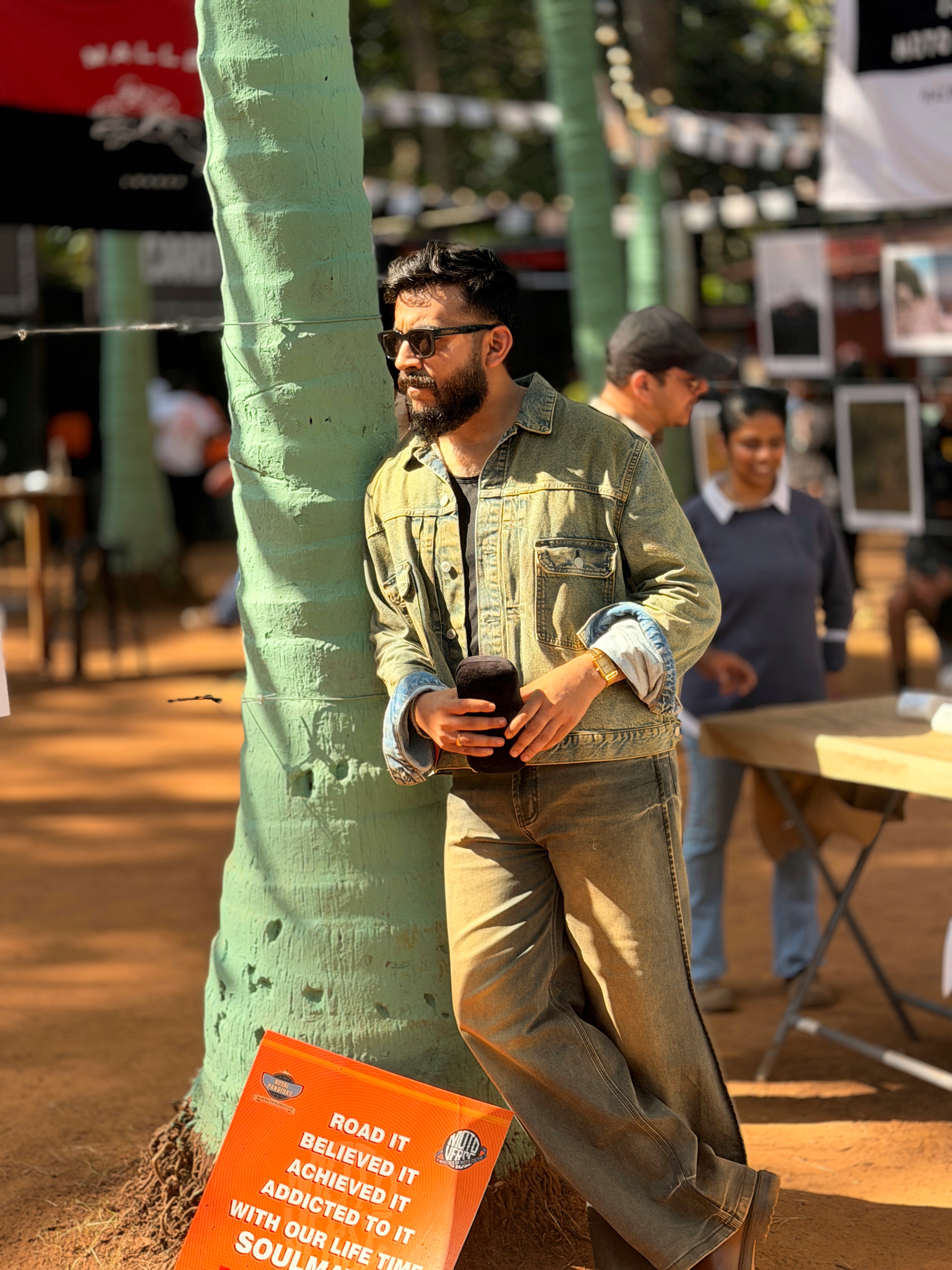
Photo Credit: Instagram
At what point did you realise you had an audience, and did that realisation change how you made content?
The first time someone stood up and said, "I was feeling really off in life, and your 1-minute video helped me somehow." I've read this often in the comment section, but hearing it in real life moved me. That's when it hit me: this isn't just content, it's something special. It changed how I see things. The chase for followers faded. Instead of always aiming for the next 100K or a million, I realized I already have enough people to share my ideas with. Now, I focus on striking emotional chords and experimenting with my existing audience, letting their ripple effect do the rest.
It made me more responsible, not more cautious. I stopped asking, "Will this go viral?" and started asking, "Is this me? Is this real?" The audience didn't change my voice, but they helped me loosen up and create more freely.
The street-level content with vendors, drivers, and small business owners: these people don't have PR teams. How do you get informed consent from someone who may not fully understand what going viral means for their life?
My process is different. I observe from a distance first, reading body language to see if someone fits my video. Once I feel confident, I strike up a normal chat and try to understand their life at that moment. Before filming, I explain where it will be shared and that it could reach lakhs of people. If someone seems unsure, I don't push. There have even been times when we've shot the entire video, and the person suddenly remembers that their family doesn't know about their profession. In those cases, I simply discard the clips.
After filming, I always show them what we've captured. And if someone later asks me to remove something, I respect that. Views should never come at the cost of someone's dignity.
Have any of your subjects ever come back to you upset about how they were portrayed or how their story was received?
No, none so far. I never ridicule or target them in my videos. In fact, if there's any offensive or self-deprecating humour, it's always directed at me, never at them. I also consciously avoid using cuss words, which helps maintain a certain tone and attract a respectful audience in both my comment section and overall following.
For me, it's important that people feel safe and respected when they trust me with their stories, because my mom watches it too!
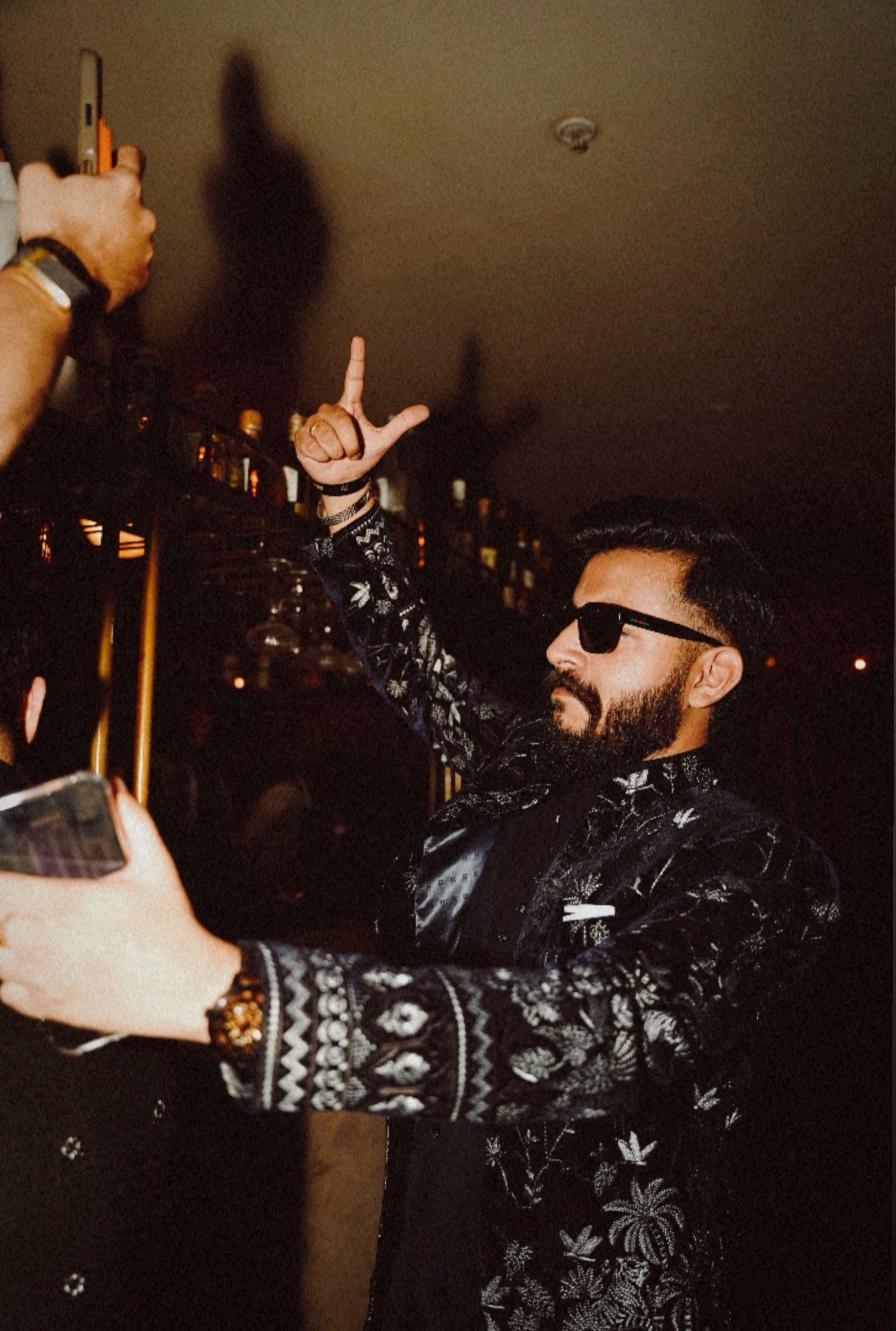
Photo Credit: Instagram
A creator recently (Ranveer Allahbadia) went through a very public crisis. Every creator in India watched that unfold. What did it change for you personally about how you think about what you say on camera?
I believe in this line: "India mein pehle aap ko bhagwan bana ke, kuch din baad aapka visarjan kar dete hain." Watching what happened with Ranveer made one thing clear: scale magnifies everything. Going mainstream will always attract hostility. Intention doesn't protect you from impact.
It also reminded me that influence isn't casual. I've always believed in speaking freely, but now I'm even more conscious that words live longer than moments. You can't edit the consequences.
What does a bad week actually look like for you, not in the inspirational hindsight version, but in the middle of it? How do you bounce back?
Low views or engagement have never really bothered me. I started from scratch, and my first video got 2,000 views, so even my lowest numbers now were once huge milestones. More importantly, in this space, you get unlimited chances to bounce back. Not every ball goes for a six, but even the misses add depth and let the audience witness the journey.
What did affect me for a while was self-doubt, whether I could keep creating with the same zeal and format consistently. Because my audience adapts whenever I tweak my format or try something new for them. After creating 110+ videos, I know this is what I'm meant to do. It feels natural, and I love it.
A bad week is when I don't get time to be with myself and just jam in peace. I do feel the mental pressure to create something bang-on for my audience every now and then, not to maintain numbers, but because I've loved the feeling of creating something new and sharing it with an audience since I was a kid. That's when I start feeling performative instead of genuine.
Bouncing back is simple: getting good sleep, spending time with my dog Gucci, hanging out with my closest friends on an impromptu outing, and tossing my phone aside for a while. It brings a wave of fresh ideas to my mind.

Photo Credit: Instagram
Has the pressure to stay "authentic" started to feel like its own kind of performance?
Sometimes, yes. Authenticity feels like a buzzword now. The irony is, once you try to perform authenticity, it stops being authentic. I deal with that by not over-explaining myself online. I let the work speak. I'm allowed to evolve. I feel real authenticity involves experimentation, not just consistently creating what people want to see.
If the algorithm stopped rewarding this kind of content tomorrow, would you still make it?
The scene in Tamasha where Ranbir Kapoor listens to the auto-rickshaw driver's story has all my heart. If I only did this for the algorithm, I would've quit already.
The street conversations and raw chatter existed long before the rewards, before my account was even public. I've been this person for a while now; this feels more like my natural habitat than performing a gig for content. Much of it was passed down to me, inherited from my father.
The algorithm is a distribution tool, not a purpose. If it stops, I'll adapt formats. But the core, talking to real people, that stays.
What message do you have for budding creators?
Work on your script first, above all else. For short-form content, aim for 1-minute videos rather than quick 30-second clips. Longer videos create recall and build real relationships with your audience. Most importantly, speak in your videos.
Start with simple, raw content before diving into high production or overcomplicating your process. Don't stress about finding a "niche." Create what feels natural, and you'll become a niche. Remember: you have nothing to lose, with infinite attempts ahead.
Say no to brand deals, turning your account into a shopping mall, or performing by the creator toolkit with PR packages. All of that comes later. Build a solid community first; once you do, it makes a lot of sense.
Don't chase virality; chase clarity. Know why you're creating. Numbers fluctuate, but your identity shouldn't. Avoid copying others. Content can build you fast, but character sustains you.
For the latest Influencer News and Interviews, follow WhosThat360 on X, Facebook, Instagram and Threads. For the latest interview videos, subscribe to our YouTube channel.
Further reading: Praveen, Praveen instagram, WhereAreYouPraveen, social media, news and media, Whosthat360, Praveen age, trending story, Praveen interview
Comments
 Post Comment
Related Stories
-
Oct, 12 2026 Mr Faisu Wedding: Faisal Shaikh Announces Marriage With Heartfelt Note; Shares First PicsNews

-
Oct, 05 2026 Rakhi Sawant Slams Shehzad Poonawalla's 'Gold Digger' Remark On Priyanka Chahar ChoudharyNews
-
Oct, 05 2026 Isha Rikhi Slams Mahhi Vij's 'Badshah Ne Iske Saath Kya Kar Diya' Remark; Opens Up On Trauma And CheatingNews
-
News
-
Sep, 30 2026 Mr Faisu's Wedding Card Goes Viral; Reveals Bride's Name And Nikah Date Amid Wedding RumoursNews
-
Food
-
News
-
Sep, 22 2026 Aman Gandhi Claims Kanika Mann Underwent Cosmetic Surgery: "Usne Lips Karaya Hua Hai..."News
Related Influencer Stories
-
Motivation And Self Help
-
Motivation And Self Help
-
Oct, 22 2026 Pankaj Bhadouria Resumes Fitness Journey After Cancer Treatment; Says, "I Am Back To The Gym..."News
-
Oct, 19 2026 Gurudev Sri Sri Ravi Shankar Explains Karma: 4 Powerful Truths That Can Change Your LifeMotivation And Self Help
-
News
-
Motivation And Self Help
-
Fitness And Health
-
Motivation And Self Help