
Maa Lalita: Spiritual Significance of the Lalita Sahasranama in Astrology
Maa Lalita in astrology: Benefits of reciting the thousand sacred names




Maa Lalita: Spiritual Significance of the Lalita Sahasranama in Astrology
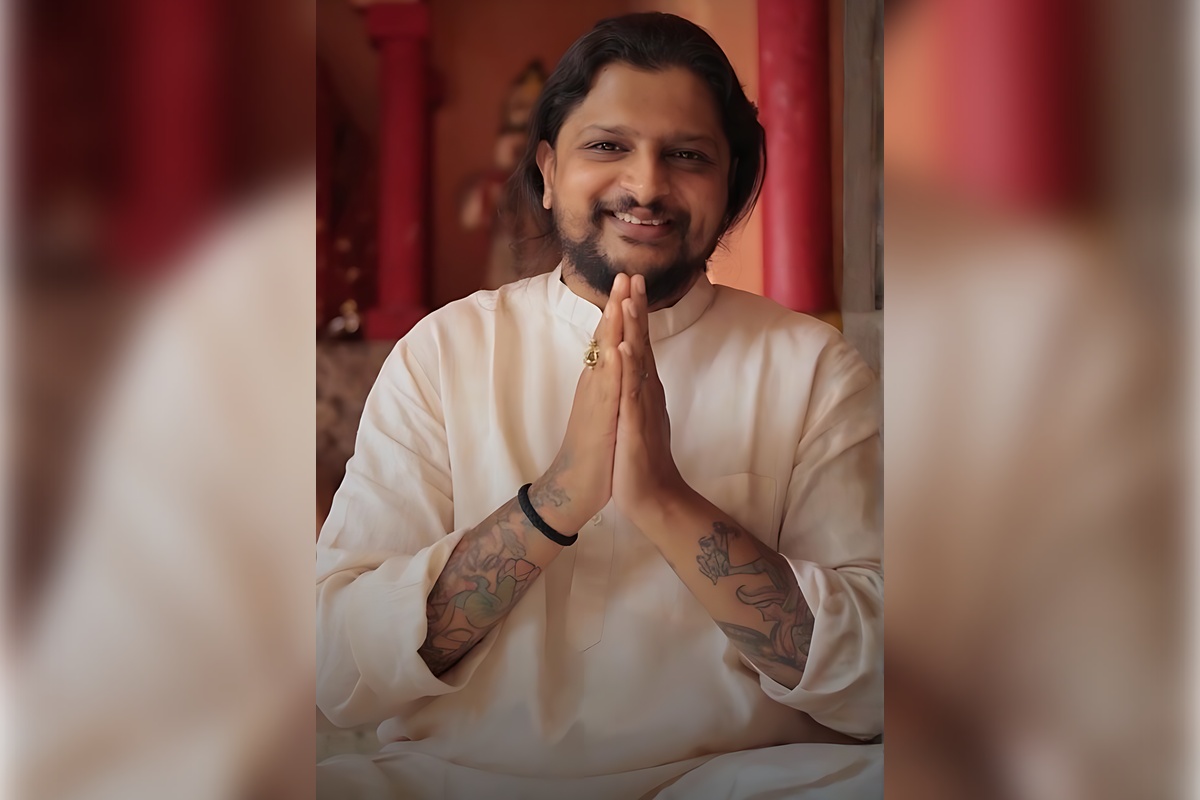
Photo Credit: Instagram
- The thousand names of Maa Lalita carry deep Sri Vidya significance
- Tripura Sundari represents the supreme Shakti and cosmic wisdom
- Tripura Sundari represents the supreme Shakti and cosmic wisdom
Astro influencer Bhavesh Bhimanathani shares how Maa Lalita, Tripura Sundari, embodies the supreme Shakti that animates the cosmos and anchors the inner journey of seekers. In Jyotish and tantra, her energy is the serene, luminous center where beauty, wisdom, and will co‑arise, guiding creation, preservation, and dissolution with effortless grace.
Why Lalita Matters in an Astro-Spiritual Practice:
In a spiritual toolkit crowded with mantras and methods, Lalita stands apart as saundarya (divine beauty) and jnana (higher wisdom) personified. For practitioners, aligning with her current refinement of buddhi (discernment), harmonizes desire with dharma and softens karmic rigidity. She is invoked to bring balance between the mind's clarity (Surya-like radiance) and the heart's receptivity (Shukra-like sweetness), creating a stable inner foundation for sadhana.
Lalita Sahasranama: The Thousand-Name Current:
The Lalita Sahasranama, revealed by the Vagdevatas and transmitted from Lord Hayagriva to Sage Agastya, is regarded in Sri Vidya as a living current of Shakti. Each name encodes an aspect of the Goddess—her compassion, her cosmic rulership, her residence in the Sri Chakra, and her role as the ground of spiritual knowledge. Recitation is not merely devotional; it is a subtle yantric activation of the inner Sri Chakra, purifying impressions and aligning the seeker with sattva, clarity, and protection.
How to Integrate the Chant into Your Routine:
-
When: Auspicious windows include Brahma Muhurta (pre‑dawn), Fridays (Shukra's day), Purnima, and during Navaratri, especially Sri Panchami and Lalita Panchami.
- Where: A clean, quiet space facing east; light a ghee lamp and place a simple Sri Chakra or Devi image.
- How: Begin with grounding (9 breaths), offer a short Dhyana Shloka, then recite a set of names (108, 216, or full 1000 as time allows). Close with silent sitting to absorb the resonance.
- Bhava (Attitude): Approach with humility and steadiness rather than speed; it's the rasa (devotional flavor) that transforms consciousness.
Astro-Correspondences & Remedial Angle:
- Graha harmony: Strengthens benefic expressions of Shukra (aesthetics, relationships), refines Budha (speech, intellect), and cools excess Mangala (reactivity) through grace and poise.
-
Nakshatra support: Particularly resonant with Rohini, Hasta, Anuradha, and Revati, lunar mansions linked to beauty, devotion, and nourishment.
- Inner results (as per tradition): Mental purification, steadier devotion, removal of inner obstacles, and a felt sense of protection and clarity.
A Gentle Note for Sadhaks:
Consistency matters more than intensity. Even 11–27 names daily, offered with attention, can attune you to Lalita's current. Let the chant become remembrance, a soft, continuous return to the Divine Feminine at the core of your being.
For the latest Influencer News and Interviews, follow WhosThat360 on X, Facebook, Instagram and Threads. For the latest interview videos, subscribe to our YouTube channel.
Further reading: Maa Lalita, Bhavesh Bhimanathani , Bhavesh Bhimanathani latest updates, social media, news and media, Whosthat360, trending story, viral news
Comments
 Post Comment
Related Stories
Related Influencer Stories
Related Influencer
-
Jul, 09 2026 Aneesh S JumaaniAstrology

-
Jul, 09 2026 Ravi Kumar SardanaAstrology
-
Jul, 09 2026 Swetta JumaaniAstrology
-
Jul, 09 2026 The Gem GoddessAstrology
-
Jul, 09 2026 Anisha AroraAstrology
-
Apr, 06 2026 Munisha KhatwaniAstrology
-
Mar, 14 2026 Rashi GaurAstrology
-
Jul, 28 2025 Juhi ParmarAstrology