
- Home
- Blog
- Lifestyle
- Are Your Beauty Products Safe? Why the Cosmetics Industry Needs Stronger Testing
Are Your Beauty Products Safe? Why the Cosmetics Industry Needs Stronger Testing
Why beauty brands must prioritize safety, testing, and transparency




Are Your Beauty Products Safe? Why the Cosmetics Industry Needs Stronger Testing
Photo Credit: Instagram
- Safety should be proven, not assumed
- Consumer trust deserves stronger testing standards
- Transparency is as important as product performance
For years, consumers have trusted beauty products believing that if something reaches a store shelf, it has been thoroughly tested for safety. But having spent thirteen years in clinical research before entering the beauty industry, I learned that consumer expectations and industry practices are not always the same. While cosmetics are not medicines, the trust people place in them deserves a stronger commitment to evidence, transparency, and safety.
The Missing Link in Beauty:
Not because I think cosmetics are medicines. They are not. But because I spent thirteen years watching what the wrong ingredient can do to human skin. In clinical research, safety is never assumed. It is investigated, documented, and supported by evidence. Every trial I worked on, whether for a vaccine, acne treatment, or topical drug, followed a rigorous process before reaching people. Testing, documentation, and evidence were not red tape. They were a sign of respect for the person using the product.
Then I stepped into the beauty industry, and the gap was immediate. India does regulate cosmetics. The issue is not whether cosmetics should be treated exactly like medicines. They should not. A cosmetic is different from a drug and serves a different purpose. The real question is whether cosmetics should adopt something fundamental from medicine: a culture where safety is actively demonstrated, documented, and taken seriously.
Photo Credit: Instagram
Many consumers assume every product has undergone extensive human testing before reaching the market. In reality, there is no universal requirement for every cosmetic product to undergo a pre-market clinical safety study on human skin. While products may meet regulatory requirements, they may not always have dermatologist-led patch tests or clinical irritation studies unless brands choose to conduct them.
Why Consumers Deserve More Transparency:
Most women do not think about these distinctions when buying a beauty product. If an eyeliner causes redness or a foundation triggers breakouts, they often blame their skin rather than question whether the product has undergone sufficient safety evaluation.
The industry often argues that cosmetics are not drugs and therefore require a different level of scrutiny. Yet cosmetics are used repeatedly and often daily on sensitive areas such as the eyes, lips, and scalp. The question is simple: how much evidence should brands provide before calling a product safe for long-term use?
The tools already exist. Patch testing, irritation studies, clinical evaluations on Indian skin, and safety assessment methods are all available. What is missing is the universal expectation that this evidence should support every cosmetic product before it reaches consumers.
A Higher Standard of Trust:
Every founder should ask one question before approving a product: Would I use this myself, knowing exactly what is inside it, what evidence supports its safety, and what has never been tested?
If there is hesitation, the product should not go into production. That is the lesson clinical research taught me. Not that beauty products should become medicines, but that the beauty industry should embrace the same respect for evidence, safety, and the people who place their trust in it.
Because every woman reaching for a product each morning deserves to know that trust was earned.
About the Author:
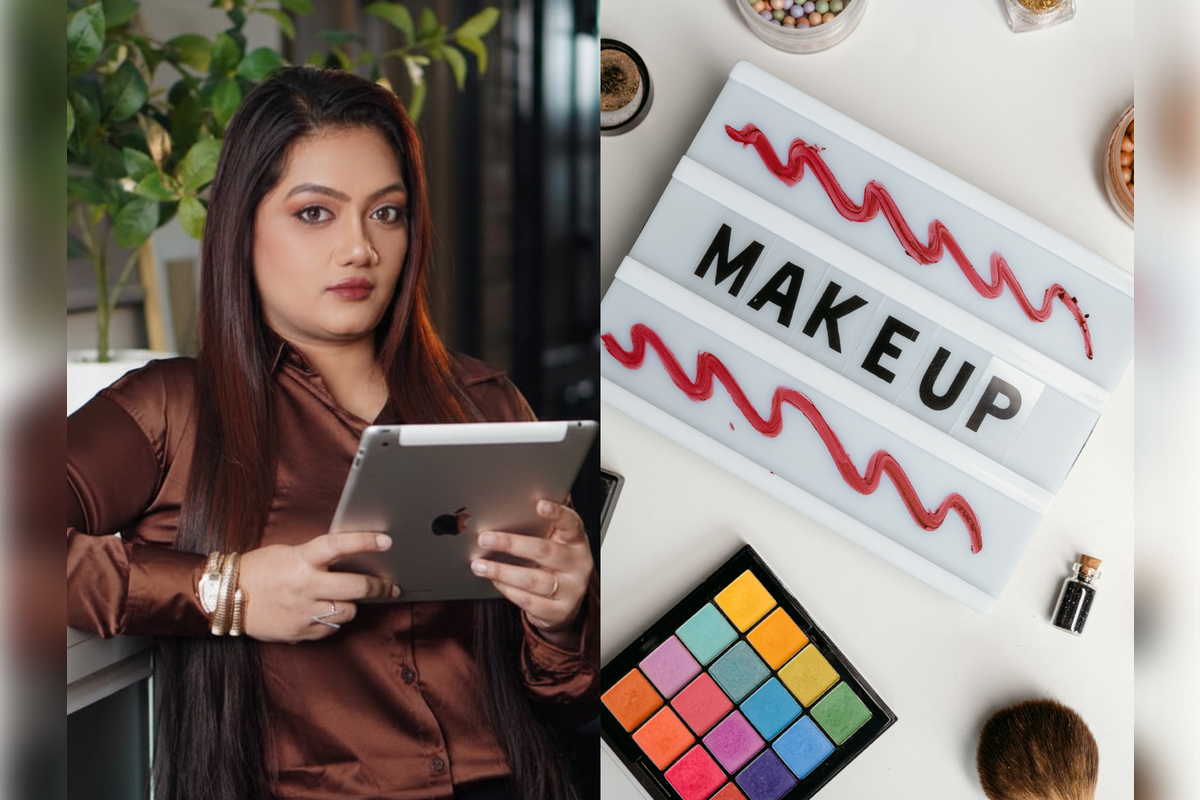
Zainab Shaikh is the Founder of Luxiora Cosmetics and spent 13 years working as a clinical research coordinator on human trials. Bringing a research-driven approach to beauty, she personally wears and evaluates every product for a minimum of 30 days before approving it for launch. Her work advocates greater transparency, evidence-based safety practices, and consumer trust within the cosmetics industry.
For the latest Influencer News and Interviews, follow WhosThat360 on X, Facebook, Instagram and Threads. For the latest interview videos, subscribe to our YouTube channel.
Further reading: beauty brands, Makeup, social media, news and media
Comments
 Post Comment
Related Stories
Related Influencer Stories
Related Influencer
-
Oct, 21 2026 Sonam MalikLifestyle

-
Oct, 21 2026 Shivam BihariLifestyle
-
Oct, 15 2026 Pranav BhardwajLifestyle
-
Oct, 15 2026 Rahul GujralLifestyle
-
Oct, 13 2026 Uday SachdevaLifestyle
-
Oct, 13 2026 Piyush SharmaLifestyle
-
Oct, 12 2026 Nakul DhullLifestyle
-
Oct, 12 2026 Rishab JaiswalLifestyle