
- Home
- Influencer news
- Ankur Warikoo Breaks Down UPI MDR Impact: Only 12 Out Of 128 Transactions Attracted Fees
Ankur Warikoo Breaks Down UPI MDR Impact: Only 12 Out Of 128 Transactions Attracted Fees
Ankur Warikoo calculates UPI MDR on ₹5.3 Lakh worth transactions; the result may surprise you




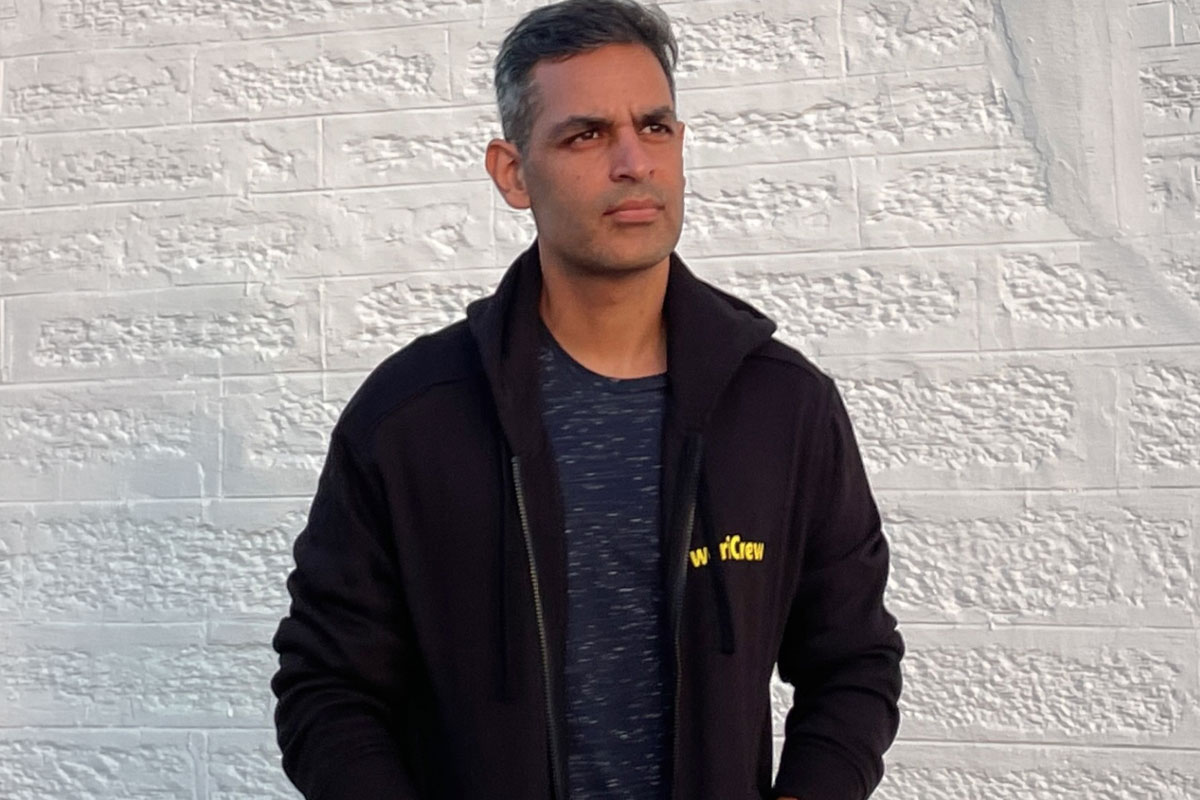
Ankur Warikoo Breaks Down UPI MDR Impact: Only 12 Out Of 128 Transactions Attracted Fees
Photo Credit: Instagram
- Only 12 of 128 transactions attracted MDR
- Merchants would pay ₹465 on ₹5.3 lakh transactions
- Most UPI payments remain MDR-free.
UPI users across India have been debating the recently announced Merchant Discount Rate (MDR), with many worrying that digital payments could become more expensive. However, finance influencer Ankur Warikoo's analysis of his own transactions suggests the actual impact may be far smaller than most people imagine.
By reviewing his UPI statement from the last 30 days, Warikoo found that only a small fraction of his transactions would have attracted MDR, even if the system had always been in place.
Understanding The New MDR Rules:
MDR, or Merchant Discount Rate, is a fee paid by businesses to accept digital payments. It has long applied to payment methods such as credit cards, debit cards and net banking. Under the new framework, certain UPI merchant transactions will also attract MDR. Personal transfers between individuals remain completely free. Transactions below ₹2,000 are exempt, and merchants with monthly UPI collections below ₹1 lakh are also not required to pay MDR.
For utility payments above ₹2,000, merchants pay a flat ₹5 charge. Meanwhile, merchant payments above ₹2,000 attract a 0.4% MDR, while mutual fund and stock market fund transfers are charged at just 0.02%.
A Look At The Numbers:
Warikoo analysed 128 UPI transactions worth nearly ₹5.3 lakh over a month. Surprisingly, only 12 transactions would have qualified for MDR. His two SIP investments worth ₹2 lakh would have generated an MDR of ₹40. Five utility payments totaling ₹50,000 would have attracted ₹25. Three travel-related transactions worth around ₹70,000 would have resulted in ₹280, while two restaurant bills worth ₹30,000 would have added another ₹120.
The total MDR payable by merchants across all 128 transactions would have been just ₹465.
Why The Impact Appears Limited:
According to the breakdown, 116 out of 128 transactions would not have attracted any MDR at all. This highlights how the majority of day-to-day UPI payments remain unaffected under the current structure.
Warikoo also pointed out that most of these payments were completed online. Had customers used credit cards, debit cards or other payment methods instead of UPI, merchants would likely have paid significantly higher transaction-processing fees.
Bigger Picture For Digital Payments:
The analysis offers an important perspective amid concerns surrounding MDR. While the announcement has triggered widespread debate, the real-world impact appears concentrated on a limited set of higher-value merchant transactions. For most consumers, UPI continues to remain a highly convenient and largely cost-free payment method.
For the latest Influencer News and Interviews, follow WhosThat360 on X, Facebook, Instagram and Threads. For the latest interview videos, subscribe to our YouTube channel.
Further reading: Ankur Warikoo, UPI MDR, Digital Payments, Personal Finance, UPI News
Comments
 Post Comment
Related Influencer Stories
-
Sep, 24 2026 Mahhi Vij's Top Controversies: Jay Bhanushali Separation, Nadeem 'Abba' Debate And MoreNews

-
Sep, 24 2026 Rida Tharana Alleges Sahil Salathia Touched Her Without Consent At Party; the Latter ReactsNews
-
News
-
Sep, 23 2026 Krystle D'Souza Defends Sahil Salathia Over Rida Tharana's Claims: "He's The Nicest Boy..."News
-
Sep, 23 2026 Uditi Singh Opens Up About Dating Karan Wahi: "My Parents Didn't Want Me To Date An Actor"News
-
Sep, 23 2026 Kushal Tanwar Aka Gullu Confirms Divorce In 'Bigg Boss 20'; Reveals Family Cut Ties With HimNews
-
Sep, 22 2026 Rhiti Tiwari Says She Survives On Rs 20-25K Allowance, Opens Up About Relationship With Manoj TiwariNews
-
News