
- Home
- Motivation and self help
- What Does Samadhi Mean? Sadhguru Breaks Down The Ancient Yogic Concept
What Does Samadhi Mean? Sadhguru Breaks Down The Ancient Yogic Concept
Sadhguru reveals the meaning of samadhi, says it is more than deep meditation




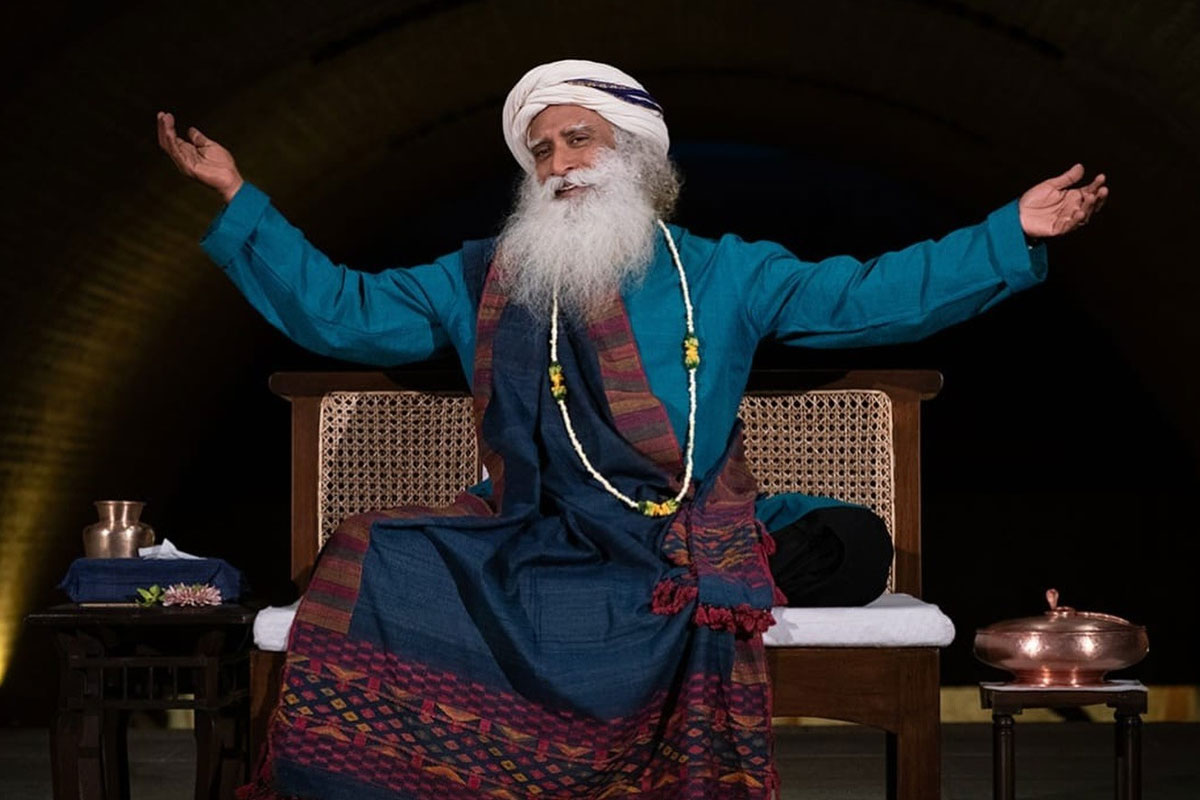
What Does Samadhi Mean? Sadhguru Breaks Down The Ancient Yogic Concept
Photo Credit: Instagram
- Sadhguru says Samadhi goes beyond meditation and mindfulness
- Samadhi is a state of equanimity and balanced intellect
- Yogic traditions view Samadhi as a deeper spiritual experience
Meditation and mindfulness have become increasingly popular as people seek ways to improve focus, reduce stress, and maintain emotional well-being. However, according to Sadhguru, founder of the Isha Foundation, there is a deeper yogic concept that extends beyond conventional meditation practices. In a recent YouTube talk, he spoke about Samadhi, describing it as a profound state of inner balance rather than simply a relaxation technique.
The spiritual leader explained that Samadhi occupies a significant place in yogic traditions and represents a shift in how people experience life and perceive the world around them.
Meaning Of Samadhi:
According to Sadhguru, the word Samadhi originates from Sanskrit and carries a deeper meaning than many people realise.
He explained that “sama” refers to equanimity, while “dhi” refers to the intellect. Based on this interpretation, Samadhi is a state where the intellect becomes completely balanced and no longer divides experiences into categories such as good or bad, pleasant or unpleasant.
To illustrate the concept, Sadhguru compared the intellect to a sword. While a sword is useful when needed, it does not have to remain unsheathed all the time. Similarly, he suggested that the intellect is an important tool, but it should not dominate every moment of human experience.
Beyond Meditation:
During the discussion, Sadhguru highlighted the difference between Samadhi and the meditation practices most people are familiar with today.
According to him, Samadhi is not merely about sitting quietly, concentrating, or attempting to calm the mind. Instead, it represents a transformation in perception and awareness.
He described it as a state where a person experiences life without constantly judging, analysing, or categorising every situation. Rather than being a technique, Samadhi is viewed as a deeper state of consciousness and balance.
Everyday Examples:
Sadhguru also suggested that many people may have briefly experienced a glimpse of the quality associated with Samadhi in their everyday lives.
He pointed to moments when individuals listen carefully without rushing to judge or label what they hear. Such experiences, he said, reflect a sense of equanimity and awareness that resembles aspects of Samadhi, although the complete state is much deeper and more profound.
These brief experiences can help people understand the concept, but they should not be confused with the full yogic state described in traditional teachings.
Yogic Perspective:
The spiritual leader further explained that yogic traditions recognise different categories of Samadhi, each associated with varying levels of spiritual development and awareness.
He emphasised that Samadhi is generally approached through long-term spiritual practice and proper guidance rather than through quick methods or casual experimentation.
Throughout the talk, Sadhguru presented Samadhi as a yogic concept that encourages individuals to move beyond constant mental analysis and cultivate a more balanced, harmonious way of experiencing life. By doing so, he believes people can develop a deeper connection with themselves and the world around them.
For the latest Influencer News and Interviews, follow WhosThat360 on X, Facebook, Instagram and Threads. For the latest interview videos, subscribe to our YouTube channel.
Further reading: Sadhguru, Sadhguru yoga, Sadhguru motivation
Comments
 Post Comment
Related Stories
-
Motivation And Self Help

-
Food
-
Motivation And Self Help
-
Astrology
-
Oct, 05 2026 Rakhi Sawant Slams Shehzad Poonawalla's 'Gold Digger' Remark On Priyanka Chahar ChoudharyNews
-
Oct, 05 2026 Navratri 2026: Sadhguru Reveals Why The Festival Is More Than Just Fasting And CelebrationAstrology
-
Oct, 05 2026 Isha Rikhi Slams Mahhi Vij's 'Badshah Ne Iske Saath Kya Kar Diya' Remark; Opens Up On Trauma And CheatingNews
-
News
Related Influencer Stories
-
Motivation And Self Help
-
Motivation And Self Help
-
Oct, 22 2026 Pankaj Bhadouria Resumes Fitness Journey After Cancer Treatment; Says, "I Am Back To The Gym..."News
-
Oct, 19 2026 Gurudev Sri Sri Ravi Shankar Explains Karma: 4 Powerful Truths That Can Change Your LifeMotivation And Self Help
-
News
-
Motivation And Self Help
-
Fitness And Health
-
Motivation And Self Help